Small spaces: how to improve visual comfort
Hello, Olivia here.
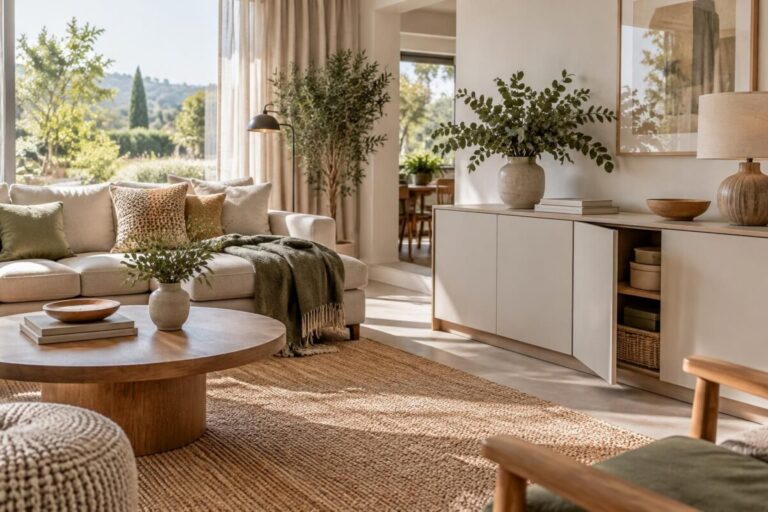
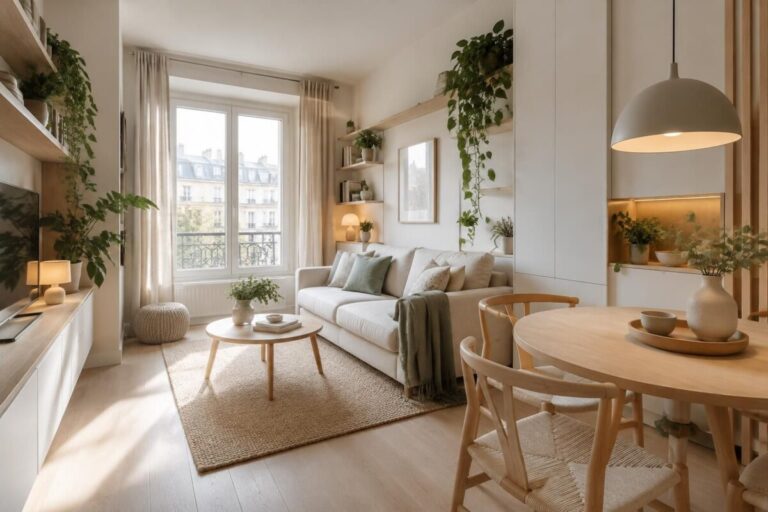
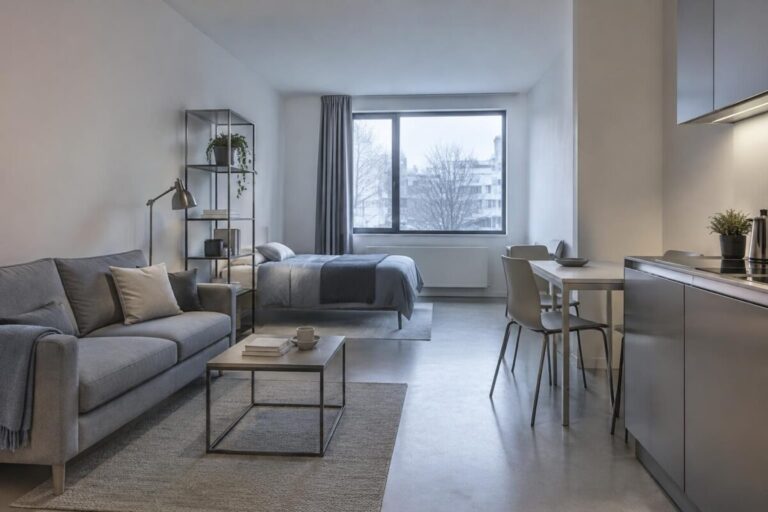
To make a small space more visually comfortable, clear the surfaces, harmonize the colors, and add multiple light sources.
The goal isn’t to make everything look bigger, but to make each area easier to see and more pleasant to live in. A few well-chosen changes can transform how a room feels without major renovations.
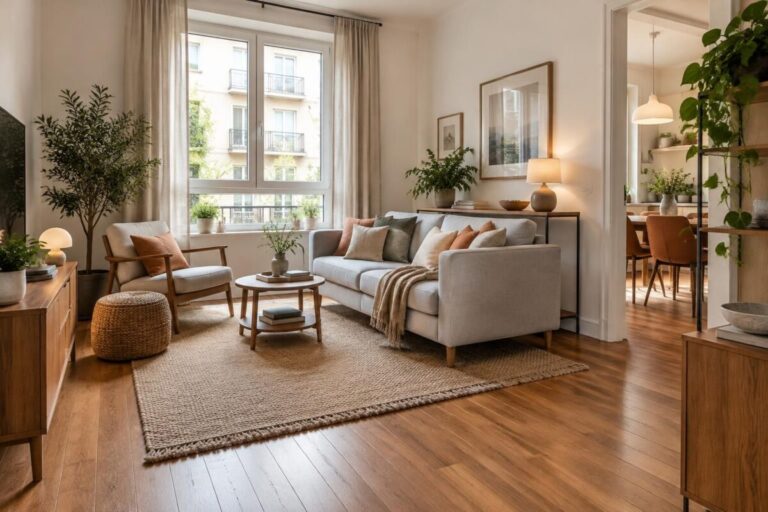
A guiding principle can help you stay on track: in her studio apartment, Lina starts by clearing the path between the entrance and the window. This simple change already makes the room feel more open.
Things to do right away
- Clear a main walkway between the door, the window, and the living areas.
- Remove a few items from surfaces to create visually calm areas.
- Choose a palette of two or three colors, with a light base and an accent shade.
- Move furniture closer to the walls if this frees up the center of the room.
- Pay attention to natural light and avoid placing a tall piece of furniture in front of a window.
To explore these ideas further, discover how to create a greater sense of space in a small home and how to make a room feel more open.
Visual comfort: compare the choices that transform a room
A small space can quickly feel cluttered when all the objects draw attention to the same spot. By contrast, clear pathways and well-proportioned pieces create a sense of calm.
Small-space design is therefore about balance: making the most of the space should make everyday activities easier without filling every nook and cranny. For Lina, replacing a bulky coffee table with a lightweight design opened up the view to the window.
| Decor choice | Visual effect | Best used for |
|---|---|---|
| Light colors | Reflect light better and unify surfaces | Walls, curtains, or large pieces of furniture |
| Decorative mirrors | Reflect light and create an illusion of space | Opposite a window or near a light source |
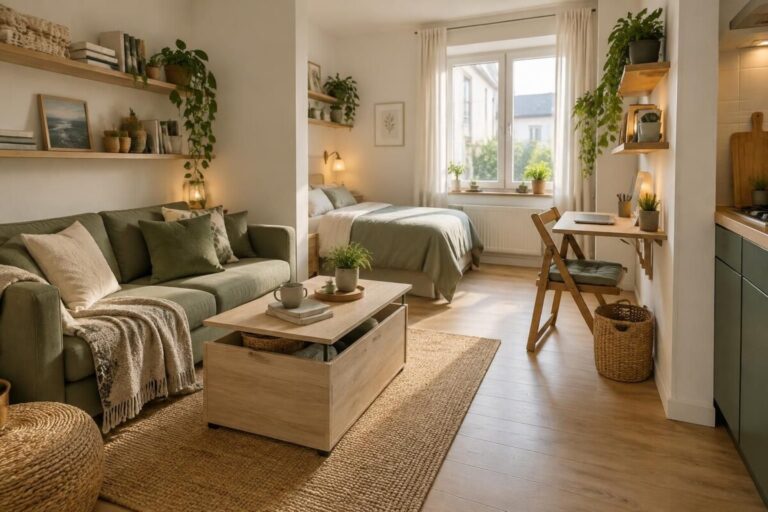
| Multifunctional furniture | Reduces the number of pieces of furniture needed | Storage bench, folding table, or bed with drawers |
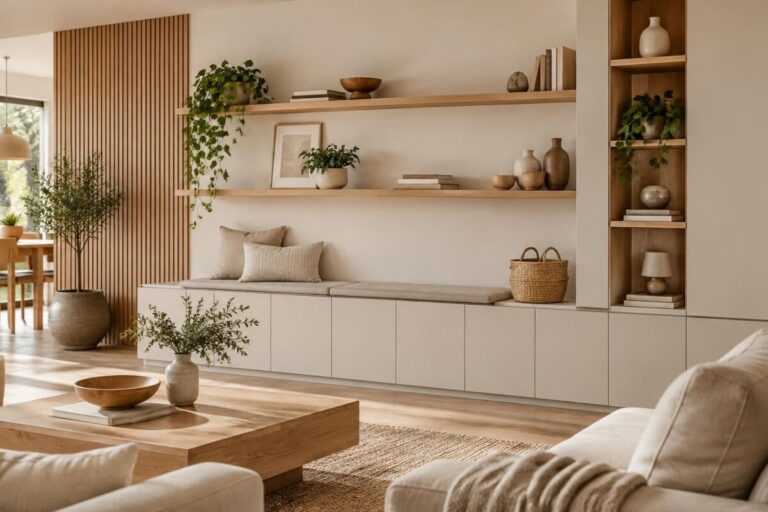
| Discreet storage | Reduces visible clutter | Lidded baskets, cabinets, and matching boxes |
Light colors aren’t a must from floor to ceiling. A deeper shade on a small section of wall can add structure to a room, as long as it flows with the rest of the space.
Small spaces: avoid a cluttered look
A common mistake is adding lots of small pieces of furniture to meet every need. But several tables, baskets, and shelves can break up the room and make it harder to take in.
Well-chosen multifunctional furniture can simplify the whole space: an extendable table works for both meals and remote work, while a storage chest can hold throws and accessories. Decluttering doesn’t mean living with almost nothing; it means keeping useful or cherished items in view.
When it comes to storage, keep everyday essentials within reach and use lidded containers for less decorative items. This discreet storage softens the look without making the room feel impersonal.
Natural light and mirrors: create a sense of space without moving the walls
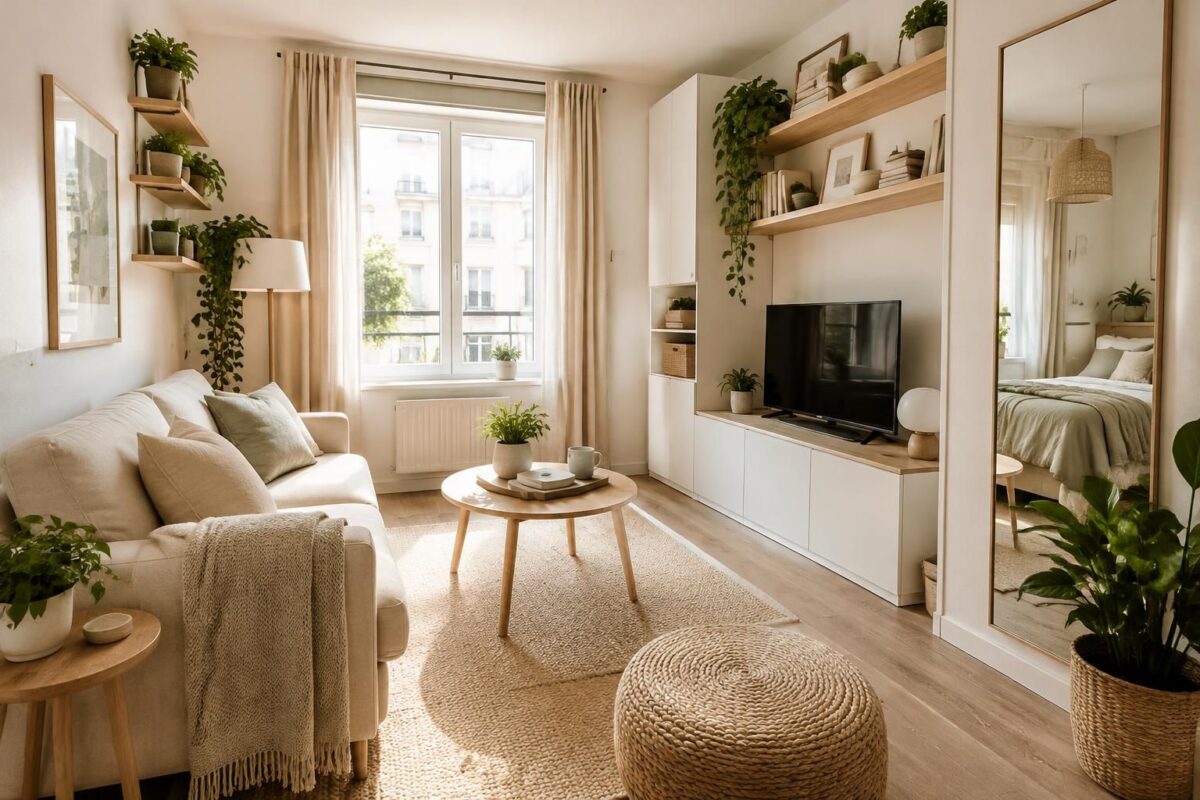
Natural light is a major asset: lightweight curtains and clear windowsills let it flow through the room. If an area is still dark, add a lamp rather than relying on a single ceiling light.
A mirror placed opposite a window can enhance the brightness and create an illusion of space. However, avoid placing it in front of a cluttered corner: it will reflect exactly what you’re trying to hide.
A three-step method for greater visual comfort
- Identify what catches your eye for the wrong reasons. From the entrance, look for obstacles, cluttered surfaces, and overly dark areas. Choose just one thing to improve first.
- Rearrange without buying anything. Move furniture that blocks the light, group items by use, and try a more direct route through the room. Take a before-and-after photo to compare the difference.
- Make one targeted improvement. If the room needs more light, try a mirror or a lamp. If it feels cluttered, opt for closed storage or a multifunctional piece of furniture.
By making small changes, you can work out what really works in your room. The best layout is one that makes everyday activities easier while giving your eyes room to rest.
Practical questions about visual comfort in a small space
What colors should you choose for a small space?
A light color palette helps reflect light. You can pair it with one or two deeper shades to add depth without breaking up the room.
Where should you place a decorative mirror?
Near a window or opposite a light source, it can reflect light into the room. Check what it reflects so you don’t visually double the clutter.
How can you declutter without making the room feel cold?
Keep the items you use or cherish, but arrange them in small groupings. Lidded baskets and a few carefully chosen decorative pieces help preserve a warm atmosphere.
Should you choose very small pieces of furniture?
Not necessarily. A piece of furniture suited to its purpose and equipped with storage can be more effective than several small pieces that obstruct the flow of the room.
I hope you found these tips helpful. See you soon! — Olivia