Small spaces: why your studio still feels cold
Hello, Olivia here. A studio apartment often feels cold because of the walls, floor, drafts, and overly white lighting, even when the heating is on. To make it feel warmer, combine cozy textiles, warm colors, and soft lighting, then identify the places where heat is escaping. A few well-chosen touches are often enough to transform the atmosphere without cluttering the room.
Why your small studio still feels cold
The temperature reading doesn’t tell the whole story. A cold wall or floor can absorb your body heat, while a draft near a window makes the room uncomfortable. That’s why two homes heated to the same temperature can feel very different.
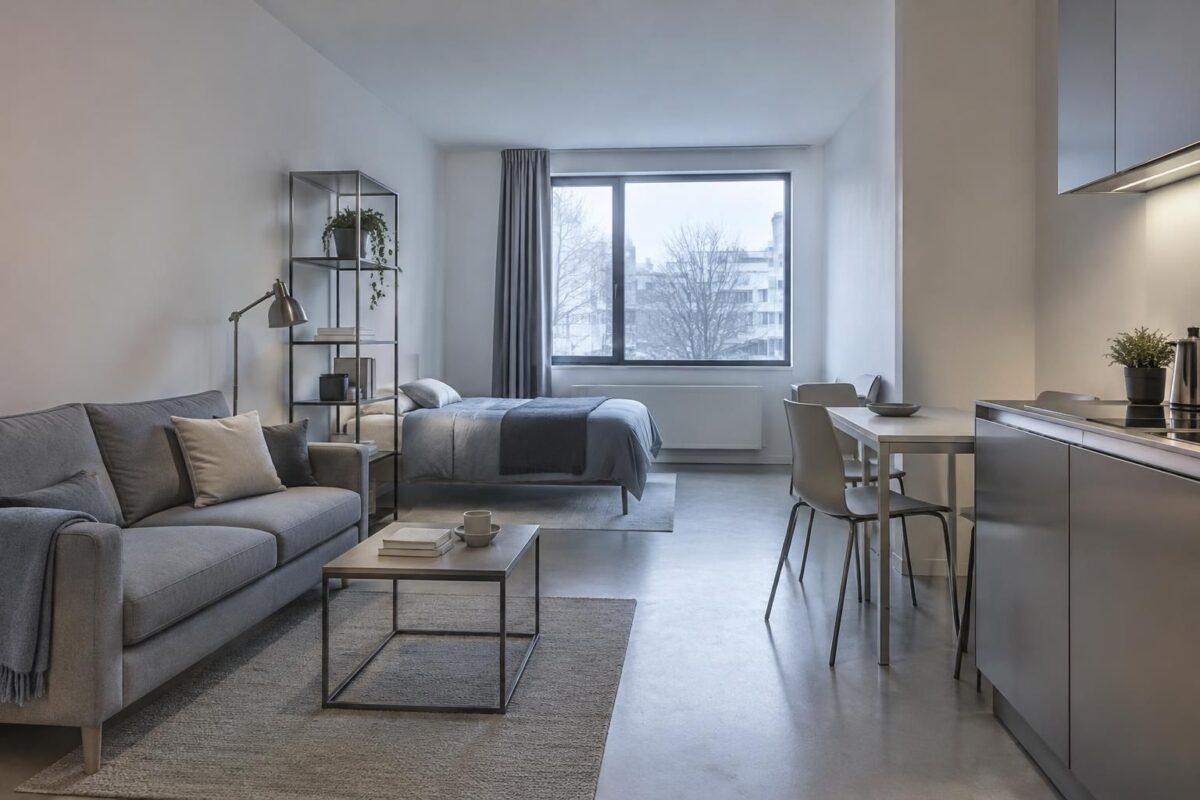
Interior design also plays a part. Bare surfaces, white lighting, and very cool colors can make a room feel empty and emphasize a cold atmosphere, even if the heating is working properly. Visual comfort matters just as much as thermal comfort when creating a cozy interior.
What you can do right now
- Lay down a thick rug to reduce the cold feeling underfoot.
- Add curtains, a throw, and a few cushions in soft materials.
- Replace an overly white bulb with a warmer light.
- Check the window seals and place a draft stopper at the bottom of the door if you feel a draft.
- Keep walkways clear to optimize the space and let heat circulate.
To tell whether the cold is related to the layout or caused by drafts, notice where you feel coldest and compare those spots with the nearby surfaces. These tips for warming up the atmosphere without overwhelming a small space and these ideas for reducing drafts in a studio apartment can help you choose the right steps.
Common causes of feeling cold
Poor insulation lets heat escape through the windows, walls, ceiling, or floor. The surfaces then stay cool, making the sofa area or the space beside the bed less inviting.
Humidity and ventilation matter too. A humidity level of around 40 to 60% is often comfortable, depending on the situation; airing out the room briefly each day helps refresh the air without leaving the windows open for long.
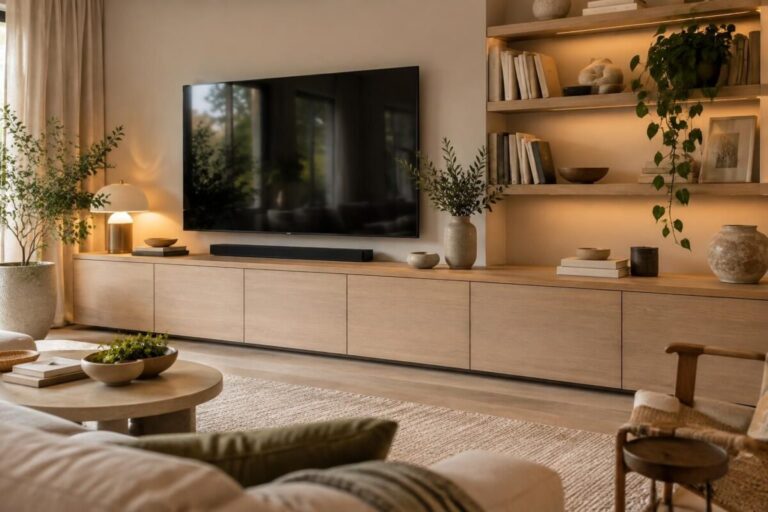
Finally, lighting and materials affect how a room feels. In a studio apartment, a cool overhead light and furniture with smooth surfaces can make the space feel bare: an accent lamp, wood, and a few textiles can easily change the atmosphere.
Which step to choose for each problem
| What you notice | Possible cause | Helpful first step |
|---|---|---|
| Unpleasantly cold floor underfoot | Cold or poorly insulated floor | Add a thick rug |
| Cold near a window | Draft or cold surface | Check the seals and hang curtains |
| Dull-looking room despite being tidy | White lighting and smooth materials | Choose a warm light and soft textures |
| Stuffy or humid air | Insufficient ventilation | Air out the room for a few minutes and monitor humidity |
Studio apartment layout: three steps to create a warmer atmosphere
A friend had placed her sofa near an exterior wall and found her studio apartment freezing in the evenings. By moving the seat and adding a rug, she made that corner much more comfortable without changing the heating.
“A room’s warmth is something you can see, too.” This idea guides choices about color and lighting, but it doesn’t replace checking for air leaks or inadequate insulation.
- Step 1: identify the cold spots. Check near the windows, floor, and exterior walls. If you feel a draft, check the seals; if the surface is cold without a draft, consider the insulation instead.
- Step 2: warm up the surfaces. Lay down a rug, add curtains, and choose cozy textiles. In a small studio apartment, choose a few useful pieces rather than accumulating things that obstruct movement.
- Step 3: adjust the lighting and layout. Add an accent lamp with warm lighting and move the sofa away from a very cold wall if possible. Small touches of warm color add visual comfort without making the room feel smaller.
Two situations, two simple solutions
If you feel a draft near the window, check the seals and curtains before turning up the heat. If the room feels cold but the air is still, start with the rug, lighting, and materials, then have the insulation checked if the discomfort persists.
Cozy decor and storage without cluttering the room
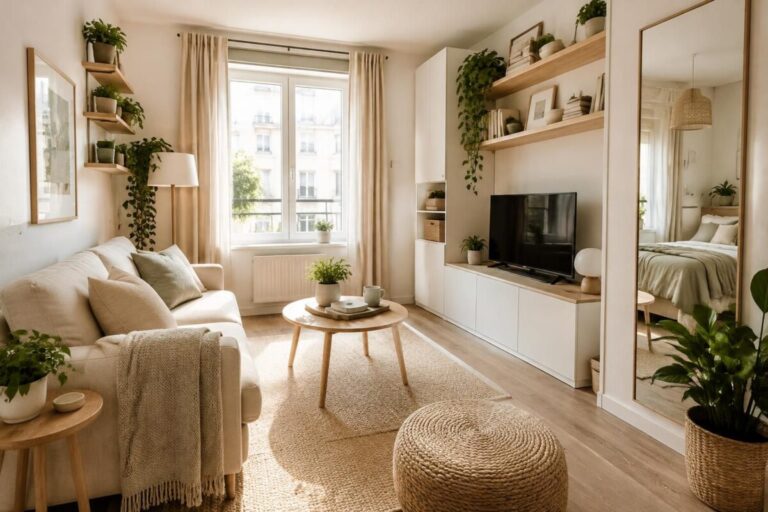
In a small space, the goal isn’t to add lots of things, but to choose items that serve a real purpose. A storage chest that doubles as a coffee table, long curtains, and a properly sized rug provide storage, texture, and a more enveloping feel all at once.
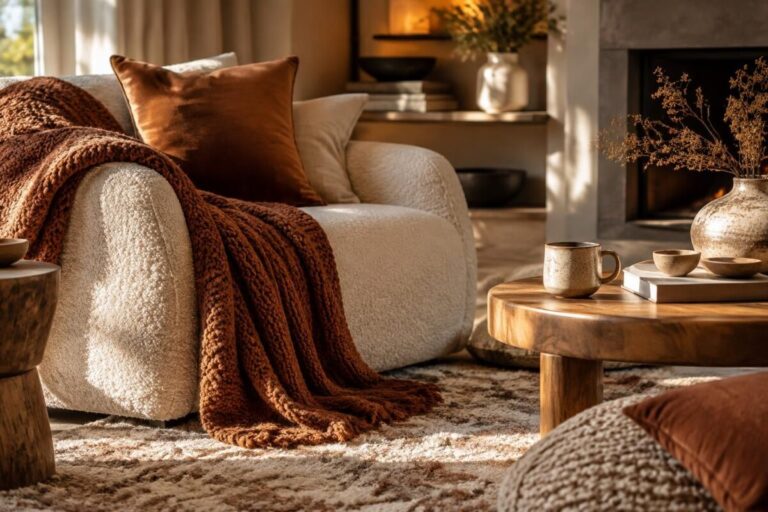
Keep the color palette simple: a light base, then a few warm-color accents such as terracotta, golden beige, or soft brown. Light sources at different heights make a studio apartment more welcoming than a single overhead light, and enhance visual comfort without taking up space.
If the cold persists despite these adjustments, look beyond the decor. A window that lets air through or a poorly insulated floor needs an appropriate solution; it’s better to identify the cause than to keep turning up the heat indefinitely.
Why does my studio apartment feel cold even when the heating is on?
The walls, windows, or floor may stay cold, and drafts or humidity can make the discomfort worse. The temperature reading doesn’t always reflect how it feels near the surfaces.
Which colors make a small studio apartment feel warmer?
Shades such as warm beige, terracotta, or soft brown create a welcoming atmosphere. Use them as accents to preserve brightness and a sense of space.
How can I warm up a studio apartment without losing space?
Choose a rug, curtains, and a throw, then add an accent lamp. Opt for multifunctional items and keep walkways clear.
What should I do if I feel a draft in my studio apartment?
Find where it’s coming from near the windows or doors, check the seals, and use a draft stopper if needed. If the problem persists, have the airtightness or insulation assessed.
P.S. I’d be delighted if you left me a comment at the end of the article.
Thank you for your interest; Olivia