Small Spaces: What Mistakes Make a Room Feel Cold
Hello, this is Olivia. The mistakes that make a small room feel cold are often insufficient lighting, poorly balanced cool colors, unsuitable furniture, and a lack of textiles. Let in the light, clear the way, and add a few soft textures to make the space more welcoming, without major renovations. A room can feel cold because of its atmosphere, but also because of inadequate thermal insulation: these two issues require different solutions.
What you can do right now
Start by identifying what blocks the light or makes it harder to move around naturally, then choose an easy fix to try. For more interior design ideas, check out these tips for warming up the atmosphere without overwhelming the room and creating a softer nook in a small space.
- Move furniture that blocks a window or gets in the way.
- Replace overly white bulbs with warmer light in relaxation areas.
- Add a rug, lightweight curtains, or cushions to bring in texture.
- Choose a warm color for a small accent rather than repainting the entire room.
- Check for drafts and inspect the seals if the room is genuinely still cold.
Small spaces: decorating mistakes that make the atmosphere feel cold
A small interior can quickly feel less welcoming if every surface is cold, hard, or cluttered. The most common decorating mistakes are easy to spot: too much furniture, poor layout, materials that lack softness, and uneven lighting.
An oversized sofa can obstruct the flow. Heavy curtains can darken a window. Even a light color palette can feel impersonal if it isn’t balanced with wood, fabrics, or thoughtfully planned lighting.
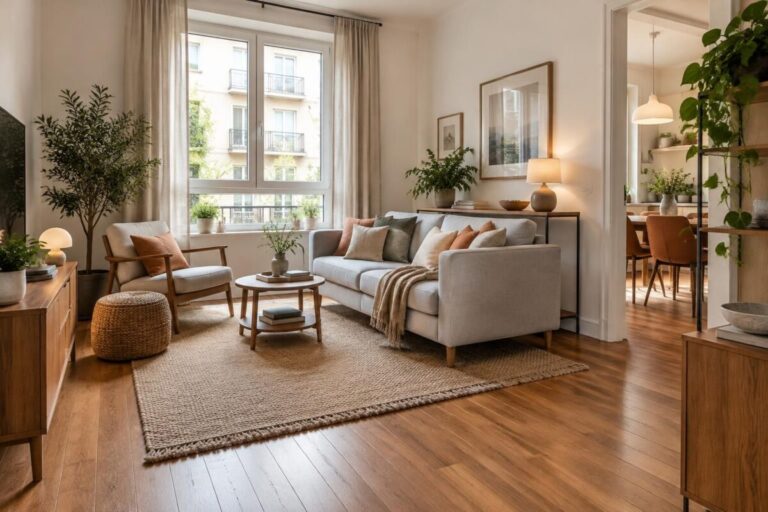
A renter had placed her armchair in front of the window to enjoy the view. Yet the corner felt dark and impractical. By moving the armchair against a wall and adding a plush rug, she let in more light and made the living room more inviting.
Unsuitable furniture and poor layout
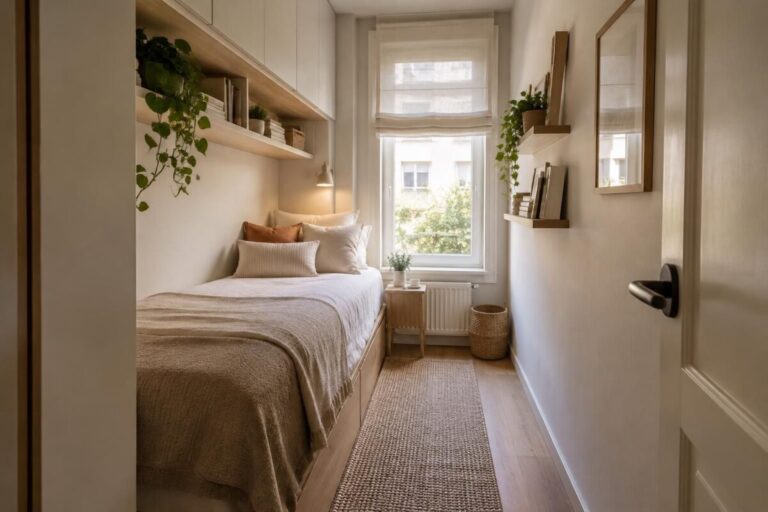
In a small room, furniture should be proportional to the space and how it’s used. A large wardrobe or a bulky table may seem practical, but it can restrict movement and make the room feel cramped.
Before buying anything, mark the intended spot on the floor with masking tape and observe the room for a day or two. Wherever possible, keep a clear walkway of about 60 to 80 cm, depending on the layout and furniture.
“A room can breathe when the walkway is clear.” This simple rule helps you spot furniture that gets in the way more than it serves a purpose.
Cool colors and a lack of textiles
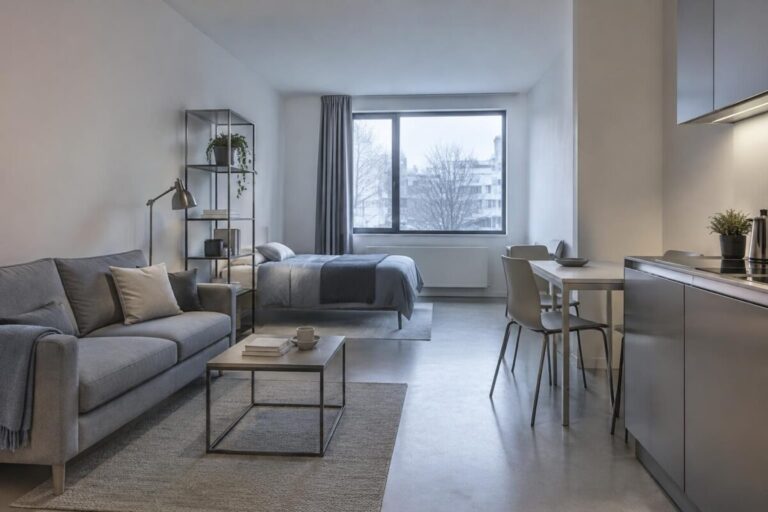
Cool colors don’t have to be avoided. Blue, green, or gray can create a sense of calm, but too many cool shades, especially in a room with little sunlight, can make a room look cold.
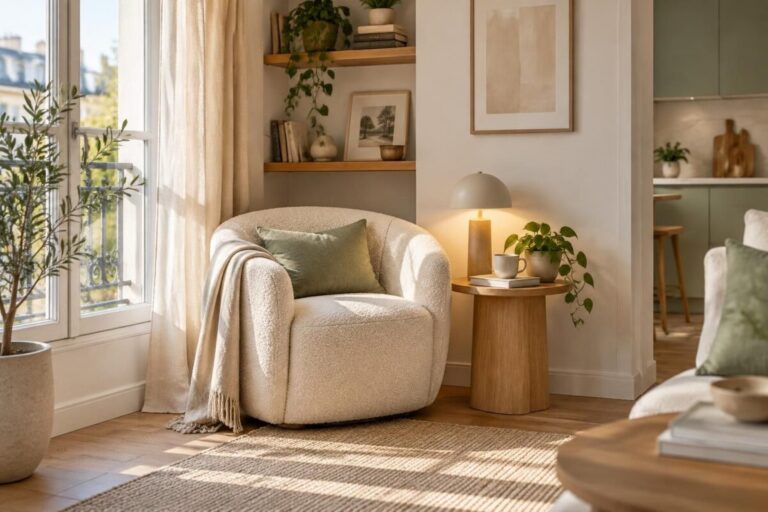
Warm up the overall look with natural or tactile materials: wool, thick cotton, linen, light wood, or woven baskets. A lack of textiles is especially noticeable near the sofa and bed, where a throw or a few cushions can make the space more comfortable without adding clutter.
Insufficient lighting: how to warm up a small space
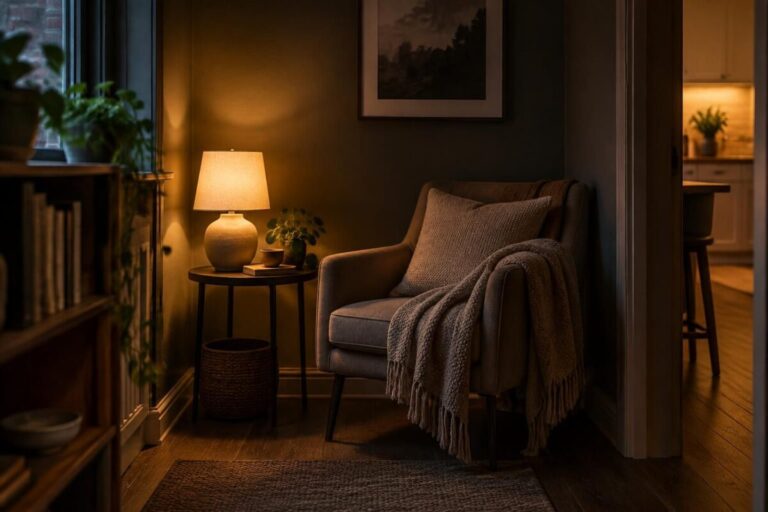
Insufficient lighting accentuates shadowy areas and can make the walls seem closer. Don’t rely on a single ceiling light: instead, combine general lighting with a lamp near the sofa or reading nook.
Clear the windows and opt for lightweight curtains if you want privacy without blocking daylight. A mirror placed opposite a light source can also help spread the light around the room, as long as you don’t create too many reflections without a purpose.
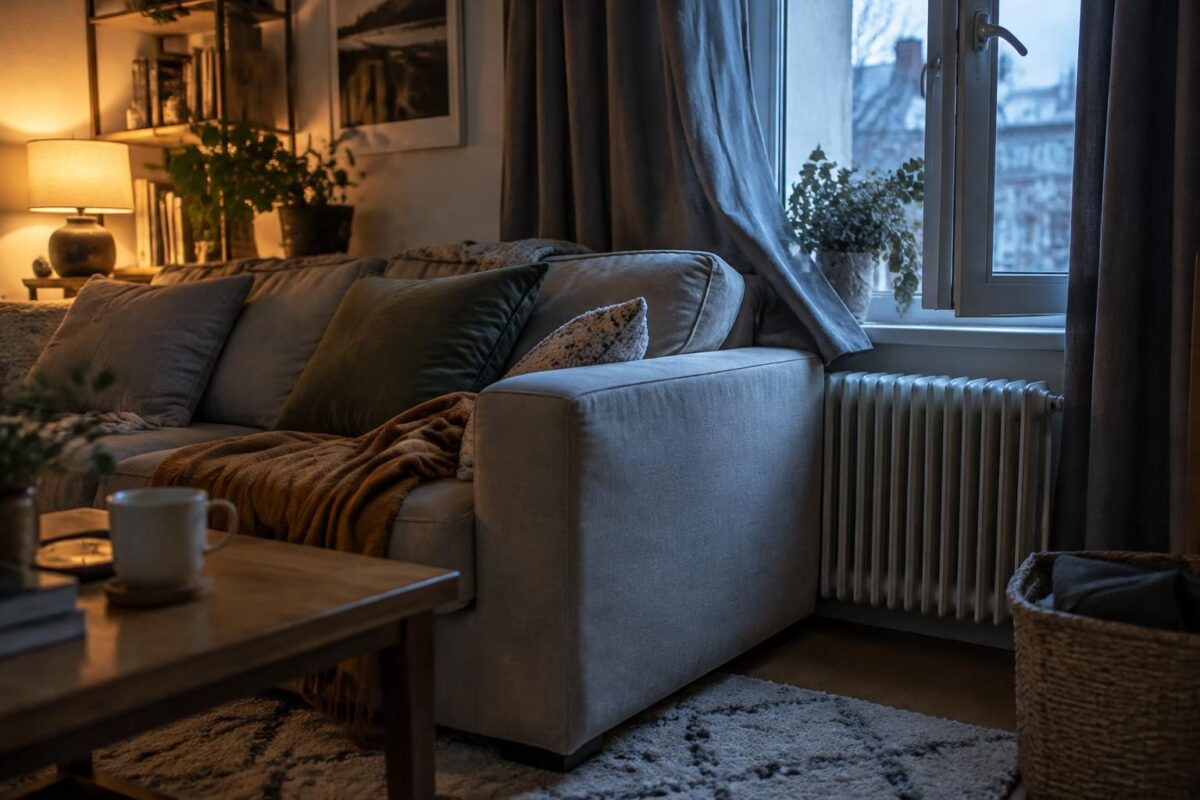
If the room still feels cold to the touch, decor may not be the only issue. Check the window seals and look for drafts; thermal insulation may require a solution suited to the situation, beyond changing colors and textiles.
A simple method for fixing mistakes in small spaces
Take it one small step at a time. By changing one thing at a time, you’ll find it easier to see what really improves comfort and what makes the room feel cluttered.
- Step 1: Identify dark areas, obstacles, and oversized furniture. Note the routes you take every day.
- Step 2: Move a piece of furniture to clear the window or walkway. Try out the new layout before buying anything.
- Step 3: Add a secondary light source and two or three textiles in shades that work with the room.
If the room is dark… clear the window and add several sources of light. If the room feels cold to the touch… check for drafts and inspect the insulation before relying on decor alone.
This table can help you choose which fixes to try first by distinguishing visual impact from thermal comfort.
| What you notice | Possible cause | First thing to try |
|---|---|---|
| The room looks dull | Insufficient lighting or a blocked window | Clear the window and add a secondary lamp |
| The space feels cluttered | Unsuitable furniture or poor layout | Move a piece of furniture and keep the walkway clear |
| The atmosphere lacks softness | A lack of textiles and warm materials | Add a rug, throw, or cushions |
| The room still feels cold to the touch | Drafts or thermal insulation that needs checking | Check the seals and look for air leaks |
Small spaces: keep the atmosphere warm without adding clutter
A welcoming room doesn’t need to be packed with accessories. A cohesive palette, a few different materials, and well-defined areas are often enough to create a softer atmosphere.
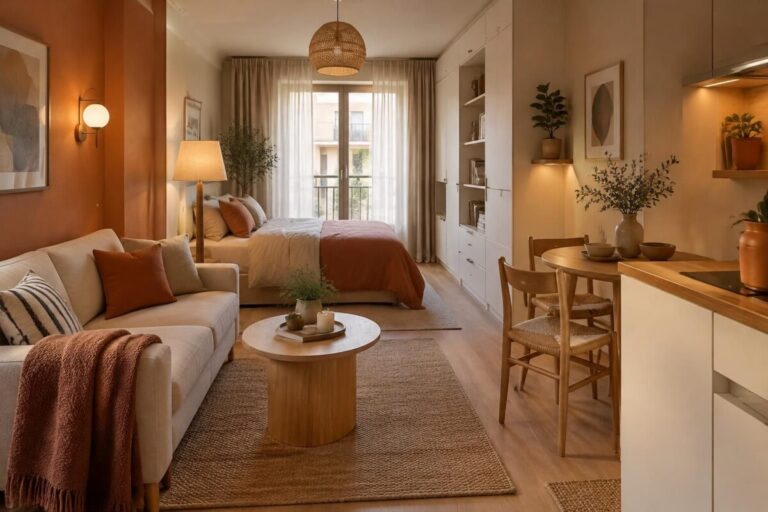
To define areas in a studio apartment, a rug can mark out the living area, and a pendant light can indicate the dining area. However, keep these elements light enough to avoid blocking the light or making it harder to move around.
A good rule of thumb: every addition should bring comfort, light, or a useful function. If an object only clutters the view, it can probably be moved somewhere else.
Frequently asked questions about mistakes that make a room feel cold
Which colors should you choose to warm up a small room?
You can keep cool tones, but balance them with warm shades, wood, and soft textiles. A touch of terracotta, beige, or muted yellow is often enough.
Does a small space have to be painted entirely white?
No. White isn’t essential. A soft shade or an accent wall can add character, as long as you take the natural light and overall balance into account.
How can you make a studio apartment feel warmer without buying much?
Start by moving furniture that blocks the light, then reuse what you already have: a throw, cushions, a lamp, or a rug. A few changes to the layout can already transform the atmosphere.
How can you tell whether the cold feeling comes from the decor or the insulation?
If the room looks cold but feels comfortable to the touch, work on the lighting and materials. If you feel drafts or the surfaces remain cold, check the windows, seals, and insulation based on the situation.
Thank you for your interest; Olivia. P.S. I’d be delighted if you left me a comment at the end of the article.