Colors & Materials: Is Beige Enough to Add Warmth?
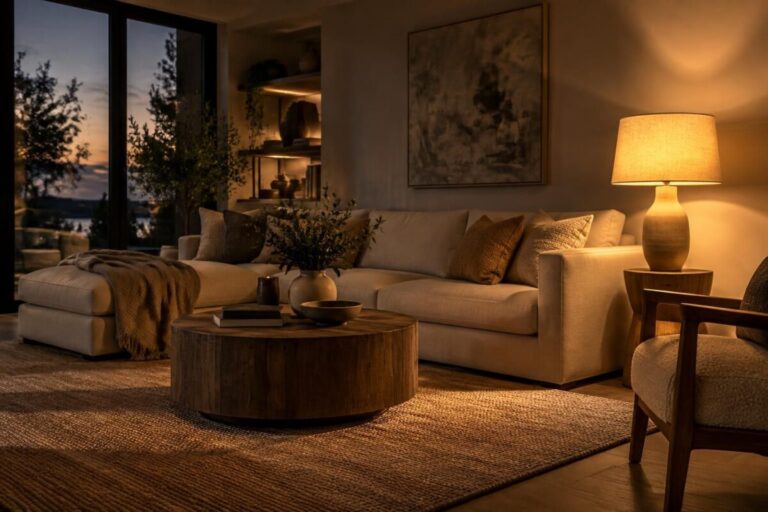
Hi, Olivia here. Yes, beige can warm up a room, but it works best with textured materials, soft lighting, and a few contrasts. Beige that’s too cool or used everywhere can instead make the decor feel flat. A few simple choices are all it takes to create a cozy atmosphere without changing everything.
What you can do now
- Identify whether your beige leans yellow, pink, or gray.
- Test a sample on the wall at different times of day.
- Add a soft material, such as linen or wool.
- Introduce an accent color: terracotta, olive green, or grayish blue.
- Add more light sources instead of relying on the ceiling light.
To choose a shade that suits your interior, you can also check out these tips on the rooms where beige works best and these ideas for avoiding a beige decor that lacks depth.
Does beige really warm up a room?
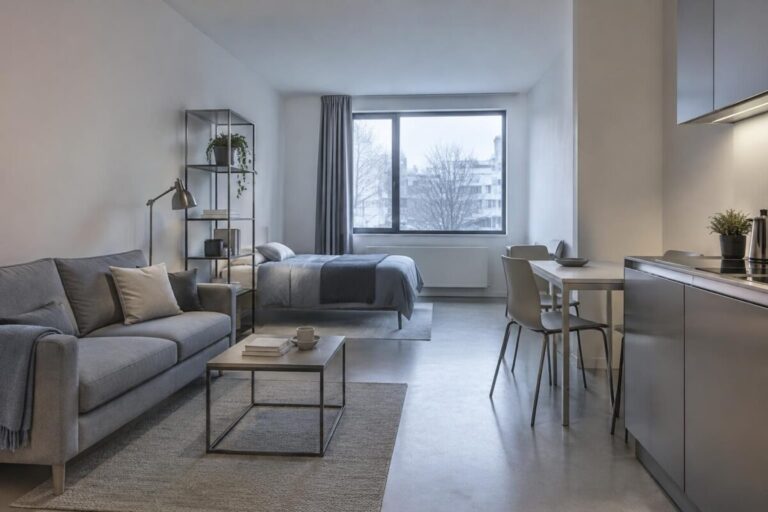
It all depends on the shade and what surrounds it. A warm beige, with a hint of yellow or ochre, often creates a welcoming feeling. A cooler greige gives a contemporary decor structure, but can seem dull in a poorly lit room.
Light also changes how we perceive color. In a north-facing room, choose a light, warm beige; in a south-facing room, a softer shade will prevent it from looking too yellow. The right shade is one that works with the floor, furniture, and windows.
“A room’s warmth is created as much by touch as by sight.” A wool rug, linen curtains, and wood therefore add more depth than a buildup of very similar neutral tones.
Choosing the right beige family
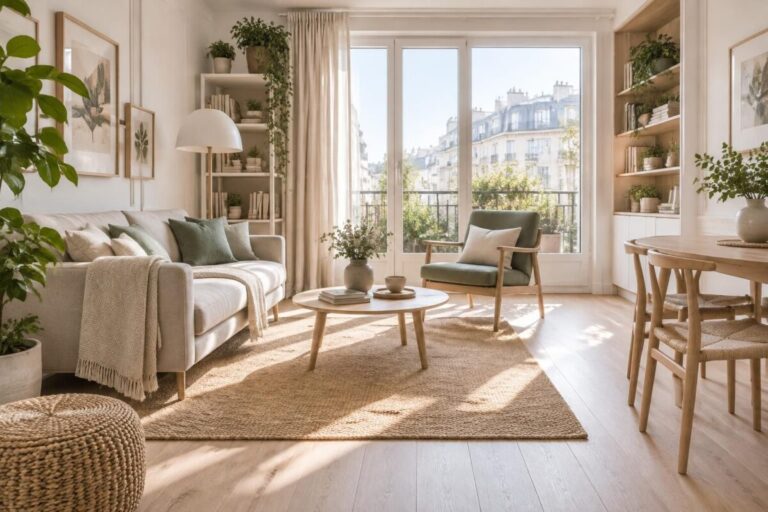
Off-white brightens small spaces, warm beige makes the living room more inviting, and pinkish beige creates a cocooning atmosphere in a bedroom. Greige, meanwhile, works well with clean lines, as long as you balance it with natural materials.
If it’s a dark room, choose a light, slightly warm beige. If it’s an already bright living room, you can try a deeper tone and add a terracotta or deep green accent.
| Shade | Desired effect | Easy pairings |
|---|---|---|
| Off-white | Bright and subtle | Light wood, ecru, black accents |
| Warm beige | Inviting and soft | Terracotta, ochre, caramel brown |
| Pinkish beige | Intimate and cocooning | Linen, brass, medium-toned wood |
| Greige | Contemporary and structured | Deep green, grayish blue, stone |
Pair beige with colors and materials that add warmth
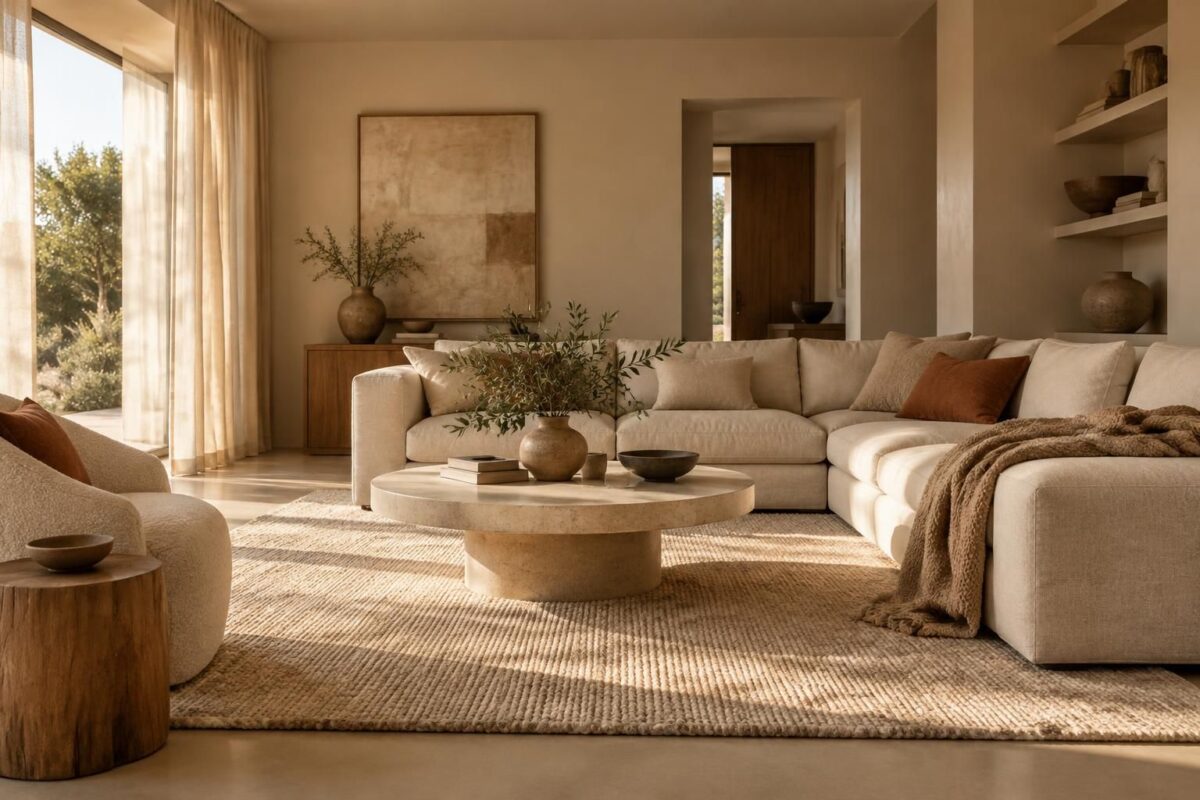
Terracotta livens up a light beige without taking over: a few cushions, a vase, or a throw may be enough. Olive green adds a natural feel, while grayish blue offers a calmer, more contemporary contrast.
Natural materials do the rest. Crumpled linen, wool, rattan, and wood create varied textures that keep the decor from looking uniform. A common design anecdote: in a small living room where both the walls and sofa were beige, adding a textured rug and two rust-colored cushions created an immediate focal point.
A simple three-step method
- Step 1: Observe the light and the materials already in the room, especially the floor and the largest pieces of furniture.
- Step 2: Try the paint on a large area and look at it in the morning, afternoon, and evening.
- Step 3: Add an accent color and two or three different materials, without adding too many objects.
This method helps you maintain a cohesive palette and create visual warmth without overwhelming the room. A well-chosen beige serves as a unifying thread; contrasts and textures give it character.
Avoiding a bland look in beige decor
The classic pitfall is choosing walls, curtains, and a sofa that are almost identical. To add depth, vary the intensities: light beige, deeper brown, and a small dark accent on a picture frame or light fixture. Indirect lighting completes the look and makes the materials stand out more.
In a small space, keep surfaces light and reserve stronger shades for a few details. Successful interior design doesn’t depend on the number of accessories, but on their balance: materials add depth, color guides the eye, and light ties everything together.
Is beige enough to make a living room feel warm?
Not always. Warm beige helps, but textiles, wood, contrasts, and soft lighting significantly enhance the feeling of warmth.
What colors go with warm beige?
Terracotta, ochre, caramel brown, and olive green pair easily with warm beige. Grayish blue works if you want a softer contrast.
Which beige should you choose for a room with little natural light?
Choose a light, slightly warm beige or an off-white. Test the shade on the wall, as natural light can change how it looks.
How can you avoid a beige decor that looks too uniform?
Combine several textures, such as linen, wool, and wood, then add an accent color. Avoid choosing all the main elements in almost identical shades.
Thanks for your interest; Olivia P.S. I’d be delighted if you left me a comment at the end of the article.