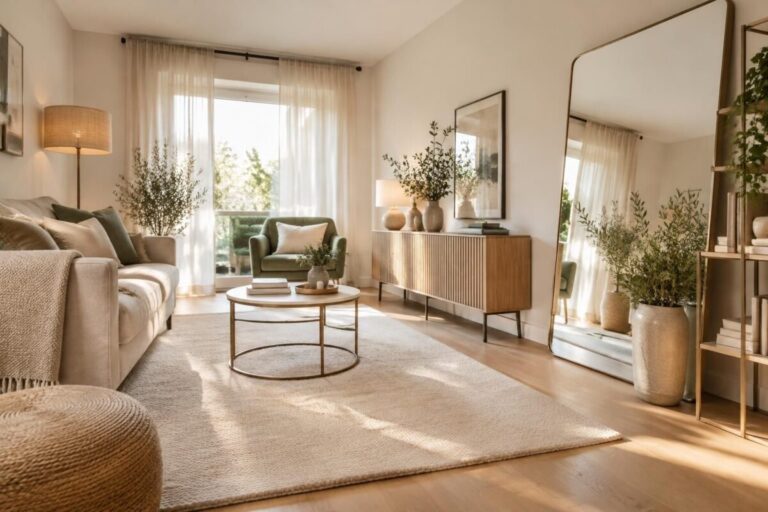
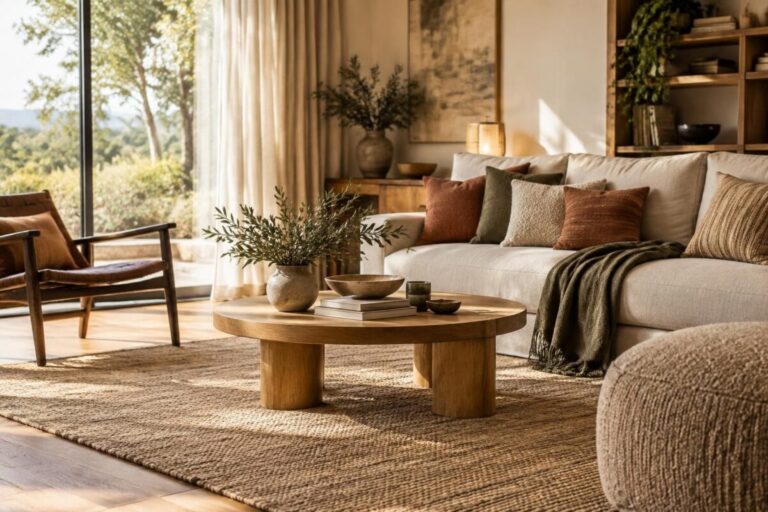
Colors & Materials: Should You Mix Metal and Wood?
Hi, Olivia here. Yes, you can mix metal and wood in your decor: choose a dominant wood, a metal finish that complements it, and repeat the pairing in small touches. For example, a table with an oak top and black legs can be paired with a black lamp. The result depends on the colors, proportions, and light; no fixed ratio guarantees harmony.
Here’s what you can do now:
- Discover specific tips for mixing wood and metal
- Understand why mixing materials has become a decorating staple
- Try the combination on a piece of furniture or an accessory
- Head to the store to find the right colors
- Play with textures for a balanced look
The combination of wood and metal is one of those enduring decor trends because it plays on the mix of natural and industrial elements. Choosing the right colors is the crucial step: light wood will pair elegantly with black or dark gray metal, while dark wood works well with warm-toned metals such as bronze. The key often lies in simplicity and balance, not in overdoing it.
Harmonizing colors: the secret to successful design
The color of the wood and the metal should work together like notes in the same melody. Light wood—such as natural oak—pairs well with silver-colored or matte black metal for an airy, contemporary look. Conversely, a dark wood—teak or walnut—can be paired with black or copper-colored metal for a warmer, more mysterious atmosphere.
Pay attention to finishes as well as colors: polished metal reflects more light than a matte surface. Place samples next to the existing furniture, then look at them in daylight and under your lamps. If you’re unsure, start with a small accessory rather than a new, large table.
Test colors and finishes together
- Identify the dominant colors in your wooden furniture.
- Choose a metal that creates contrast or complements the wood.
- Take the room’s natural light into account.
- Try out a few metal accessories.
- Avoid using more than three different colors at once.
The power of contrast and texture to bring your interior to life
The contrast between warm wood and cool metal creates instant visual interest. Don’t limit yourself to furniture: a light wood-paneled wall behind a black metal bookcase, or a metal lamp on a solid wood table, can define the space and bring it to life.
Three combinations to try in your room
Light oak and matte black: a striking contrast that can be softened with slender legs. Walnut and brushed brass: a warm option if the room can handle richer tones. Weathered wood and gray steel: a more rustic mix, softened with a solid-colored textile. These are starting points to try, not rules that mean you have to replace your furniture.
A few rules for a successful mix:
- Balance: choose one dominant material, then add the other in small touches; go by eye rather than imposing a ratio.
- Accessories: add small metal objects to wooden surfaces to strengthen the connection.
- Textiles: add soft cushions or rugs to soften the lines.
Complementary materials and accessories: the art of detail
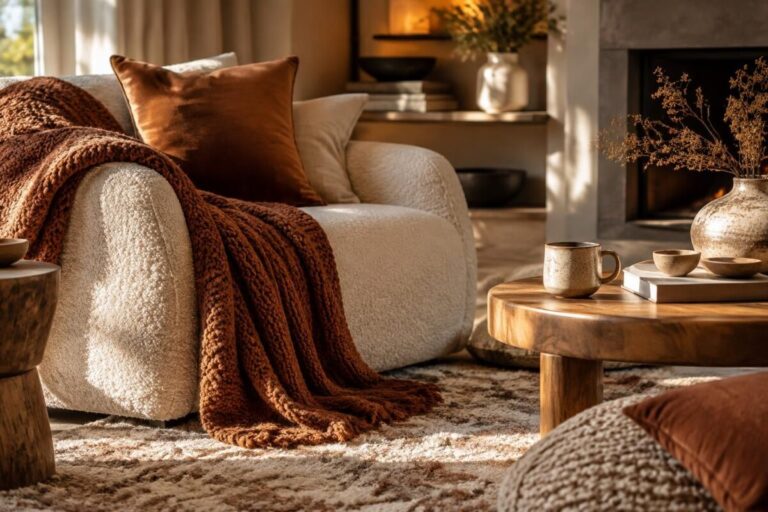
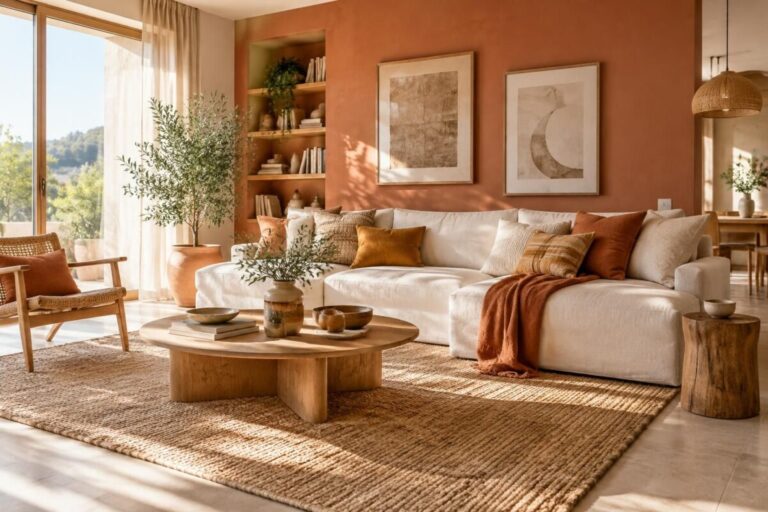
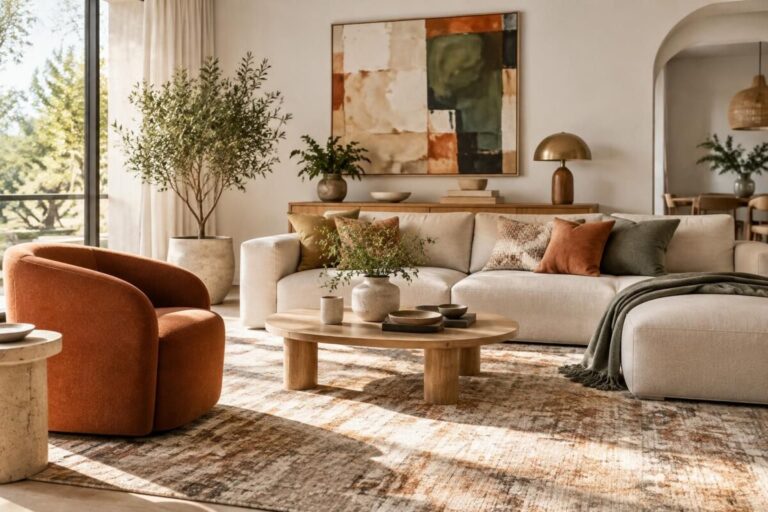
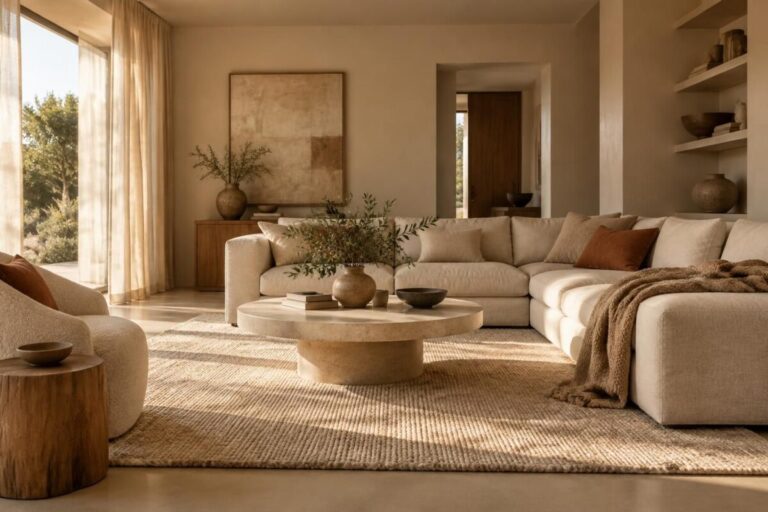
The mix shouldn’t feel static. Textiles, plants, and the surrounding decor all play a crucial role. For example, a wool rug or linen cushions can temper the austerity of metal and the solid appearance of wood.
Pairing wood and metal with other materials such as stone or ceramic can also enhance this effect. This creates a three-dimensional designer interior, where every surface adds its own nuance.
| Decorating tips | Desired effects |
|---|---|
| Light wood + matte black metal | Elegant, modern contrast |
| Dark wood + gold-colored metal | Warmth and refined character |
| Soft textiles + metal surfaces | A softer look and added comfort |
| DIY projects using wood and metal | Highly personalized and practical results |
| Metal accessories (lamps, frames) | Bright spots and decorative accents |
3 steps to mix wood and metal seamlessly
- Step 1: Choose wood and metal colors that work together, testing them right in your room.
- Step 2: Add metal accessories to wooden surfaces to create a visual connection.
- Step 3: Add a textile or a plant to balance the look and bring it to life.
If your room is small, opt for furniture with slim lines rather than bulky pieces. If it’s large, on the other hand, don’t hesitate to play with more substantial proportions and bold combinations.
Keep your furniture and add thoughtfully
Before buying anything, see whether a lamp, a frame, or compatible handles are enough to connect your wooden furniture with the metal elements already in the room. A sturdy piece of furniture can stay in place even if its finish doesn’t match perfectly. To extend this approach beyond decor, the tips for a more sustainable home can help you think about materials and purchases that are truly worthwhile.
For more ideas, also find out how to strike a balance without overdoing it and why mixing materials can enrich your decor.
FAQ
Can you mix several metals with wood?
Yes, but you need to keep the look cohesive. For example, mixing copper and stainless steel with light wood works if you balance the room. Otherwise, stick to one family of metals for a simpler look.
Does metal decor make a room feel cold?
Not necessarily. Paired with wood and textiles, it can add a modern touch without taking away warmth. Mixing it with other materials creates balance.
Which metal accessories should you choose?
Lamps, frames, furniture handles, and even metal vases are perfect for creating small focal points and enhancing the style without making the room feel cluttered.
Is DIY a good option for making wood-and-metal furniture?
Absolutely. More and more kits let you assemble wood-and-metal shelves or tables that can be customized to suit your tastes and the space available.
How do you choose between matte and shiny metal?
Matte metal is more subtle and warm, while shiny metal adds light and a bit of sparkle. The choice depends on the atmosphere you want and the furniture already in the room.
Thank you for your interest; Olivia