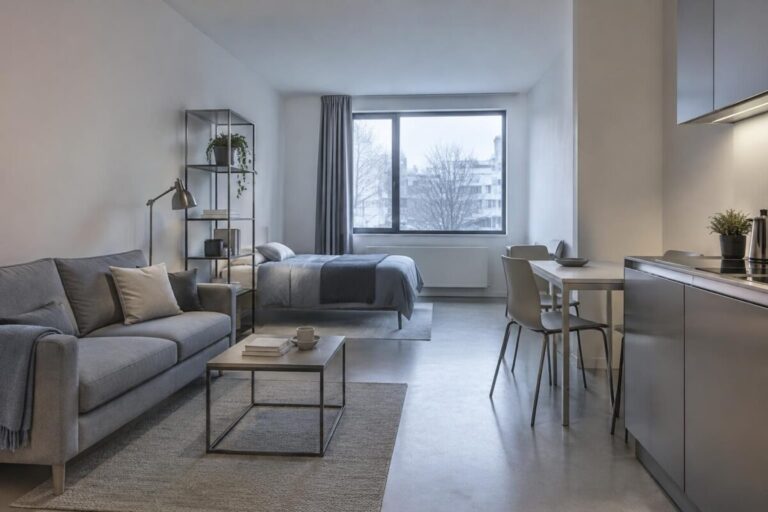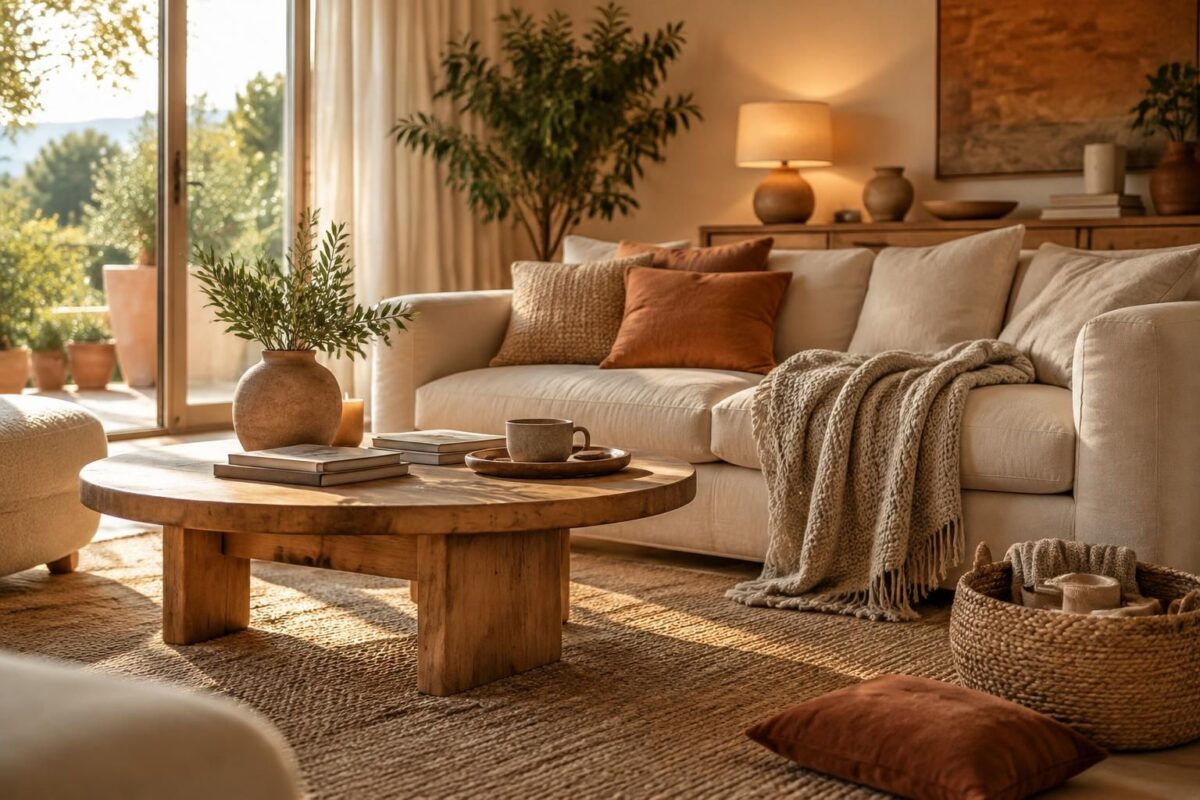
Decorative storage: what to remove for a warmer feel
Hi, Olivia here. Remove unnecessary objects, cold accessories, and furniture that gets in the way, then add a few soft textures and gentler lighting. A good decluttering doesn’t make a room feel empty: it lets the elements that create truly warm decor breathe. The idea is to keep what matters and create a cozy atmosphere without accumulating clutter.
What you can do right now
- Remove small decorative objects that are repeated without adding charm.
- Move furniture that blocks walkways or divides the room.
- Put cables, remote controls, and everyday accessories in a basket or a closed cabinet.
- Replace thin or synthetic fabrics with a few soft textiles, such as wool, heavyweight cotton, or linen.
- Soften the lighting with a table lamp and warm light bulbs.
Start with just one room and see what changes: clearing the sofa or paring back a shelf is often enough to make the space feel more welcoming. To take it further, check out these tips for decluttering without losing the beauty and these ideas for avoiding an overly cluttered cocoon effect.
Decorative storage: what to remove to make the room feel warmer
The first step is to remove objects that have no function or special meaning. A buildup of knickknacks, mismatched frames, and little keepsakes draws the eye in every direction. Instead, keep a few carefully chosen pieces and leave some empty space around them: warm minimalism is about selection, not emptiness.
Oversized furniture can also make a room feel cold when it blocks the light or the flow of movement. If an armchair blocks a walkway or a coffee table seems out of proportion, try a new arrangement before replacing anything. A room with room to breathe often feels more comfortable.
If the living room feels cold, start by removing excess accessories and adding a soft throw. If it’s the bedroom, clear the surfaces and choose bedding that feels pleasant to the touch.
Colors, textures, and light: what makes a room feel cold
A decor scheme dominated by shiny surfaces, icy tones, and synthetic materials can feel impersonal. There’s no need to change everything: add natural materials such as wood, rattan, or cotton, then introduce warm colors in small touches with terracotta, caramel, or a rich beige.
Very white bulbs and powerful ceiling lights can sometimes create harsh lighting. Opt for soft lighting, spread between a table lamp and a floor lamp. “A sense of softness often comes from what we choose to leave in view.”
A friend had filled her sideboard with little souvenirs from her travels. By keeping just three, she gave her mementos more importance and made the dining area much more restful.
A simple way to pare back decorative storage
- Step 1: Walk around the room and gather the objects lying around or that look alike. Set aside anything you don’t use and anything you no longer like.
- Step 2: Clear the main surfaces, such as the coffee table, sideboard, and bedside table. Keep one or two standout pieces in each area.
- Step 3: Bring back the elements that truly warm up the space: a rug, a throw, cushions, or a lamp with soft lighting.
To keep storage practical, set aside a place for everyday items and choose containers that complement the decor. A woven basket or a wooden box can hide clutter without making the room feel cold.
| Remove or limit | Choose instead | Desired effect |
|---|---|---|
| Lots of knickknacks and small objects scattered around | A few carefully chosen objects | A more cohesive look |
| Furniture that blocks the way | An uncluttered layout | Smoother flow |
| Bright, direct light | Warm accent lighting | A softer atmosphere |
| Thin or synthetic fabrics | Cotton, wool, and natural materials | More tactile comfort |
Storage shouldn’t erase your personality. To balance practical pieces and decorative objects, keep this simple rule in mind: everything on display should have a function, a story, or real beauty.
The little details that add warmth to your decor
Once you’ve removed the excess, textiles make a big difference. A rug that suits the room, a throw draped over the sofa, and a few coordinating cushions are often enough to create a cozy atmosphere. Choose varied textures, but limit the number of patterns to keep everything harmonious.
Lighting deserves the same care: several soft light sources make a room more welcoming than one powerful ceiling light. If you want to refresh your home without buying everything new, start by rearranging what you already have and trying out different combinations.
What should I remove first to make a living room feel warmer?
Start with excess small objects, accessories that serve no purpose, and furniture that gets in the way. Clearing a surface or walkway quickly creates a calmer feeling.
Do I need to remove all decorative objects?
No. Keep the pieces you like or that tell a story, but give them space. A few carefully chosen objects draw more attention than a cluttered collection.
Which materials make a home feel more welcoming?
Wood, cotton, wool, linen, and plant fibers add texture and a sense of comfort. Introduce them in small touches to avoid overwhelming the room.
How can I warm up a room without buying new furniture?
Clear the surfaces, move a few pieces of furniture, and group objects into zones. Then add a throw or a lamp you already have at home.
Thanks for your interest; Olivia PS, I’d be delighted if you left me a comment at the end of the article.