Decorative storage: should you go all in on closed storage?
Hello, Olivia here. No, don’t rely only on closed storage: combine doors, drawers and open shelves according to your habits and how much visual calm you need. The right decorative storage hides what clutters your view without making useful items hard to reach. A few well-chosen bins can turn a closed cabinet into a practical solution, not just a place to hide clutter. The goal: a pleasant room that’s easy to tidy up.
What you can do now
- Identify the items that often end up on the coffee table or console.
- Keep what you use every day within easy reach.
- Close away anything that creates visual clutter or gathers dust.
- Use bins or dividers to sort small items.
- Check that the furniture doesn’t obstruct walkways or prevent doors from opening.
A storage test carried out in a living room clearly shows the difference between hiding clutter and organizing it: an empty closed cabinet reduced the time needed to tidy up, but bins and dividers made items easier to find. To compare the options, also see the benefits of open or closed storage and these tips for organizing without hiding everything away.
Closed storage or open shelves: which should you choose?
Closed storage works well for papers, cables, games and accessories that tend to pile up. Doors conceal the contents and often offer better protection from dust. But if you put everything inside without sorting it, the cabinet soon becomes a box where you spend ages searching.
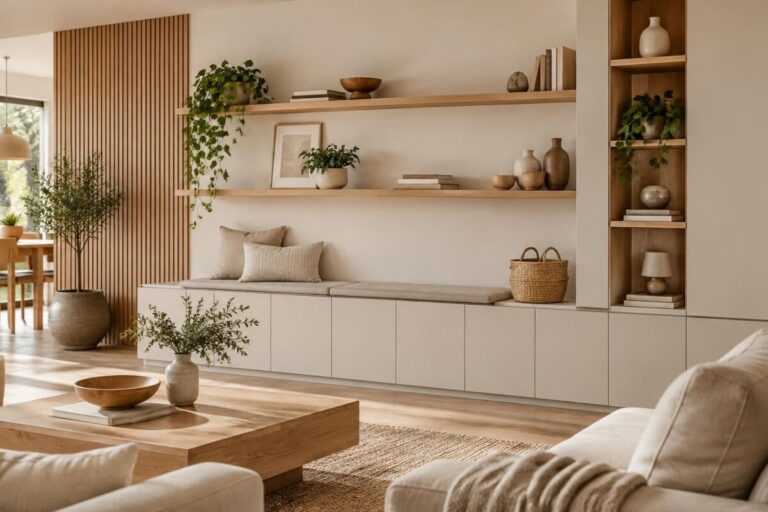
Open shelves keep items visible and accessible. They’re ideal for books, plants and decorative pieces, as long as you limit small items and keep the arrangement easy to read. A balance of the two creates functional decor, rather than a wall filled entirely with doors or knick-knacks.
“Useful storage is storage that’s easy to use.” This idea helps you choose between wardrobes, cupboards, baskets and cubbies: appearance matters, but everyday habits often make the decision.
Two situations to help you make the right choice
If you want a visually calm room, choose closed fronts for assorted items. If you use certain things several times a day, keep them accessible on a shelf or in a clearly designated open basket.
How to organize storage furniture without wasting space
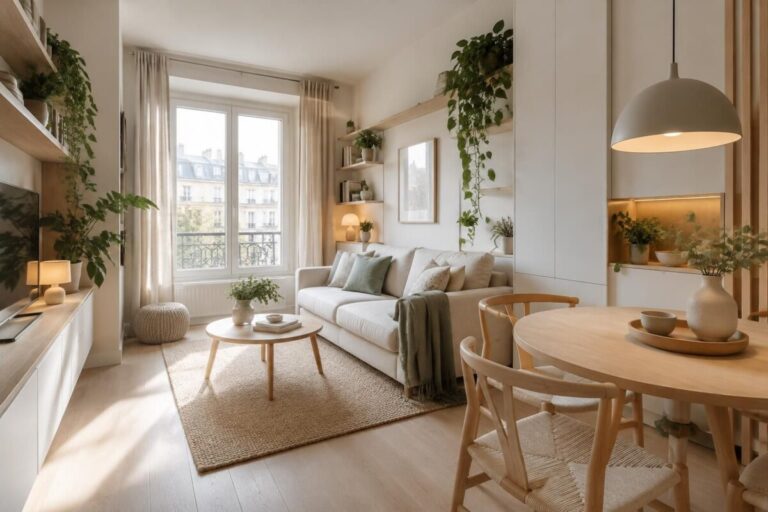
Before buying new storage furniture, start by decluttering. Remove anything you no longer use, then look at the space available: under the table, on the wall or beneath the bed. A piece of furniture that’s too deep or placed in a walkway can make the room feel cramped instead of helping.
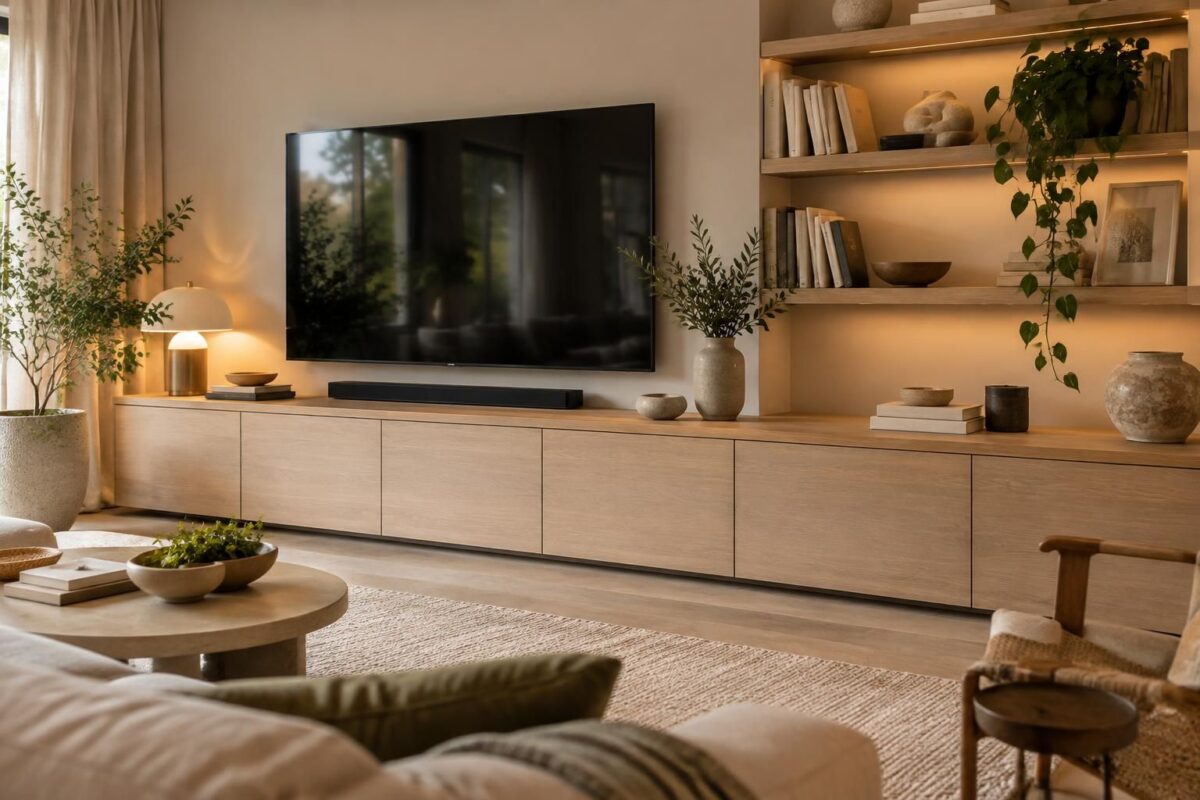
In a medium-sized living room, a low closed cabinet can hold remote controls, chargers and papers without dominating the decor. In a small space, leave room to move around and avoid filling every compartment to the brim. A simple internal organization system is easier to maintain.
A three-step method
- Step 1: Sort items by category and set aside anything you no longer use.
- Step 2: Keep everyday items within easy reach, and put occasional-use items up high or at the back of a cupboard.
- Step 3: Add bins or dividers, then reserve visible shelves for a few carefully chosen items.
In a test carried out over several evenings, tidying a living room took around 18 to 22 minutes without a closed cabinet, then about 8 to 12 minutes with an empty cabinet. Once bins and dividers were added, the evenings observed required around 5 to 7 minutes: the time saved came mainly from sorting items, not from doors alone.
Compare storage options based on your habits
| Solution | Useful for | What to watch for |
|---|---|---|
| Low closed cabinet | Hiding small living-room items | Add compartments to prevent it becoming a catch-all |
| Open shelves | Keeping books and everyday items accessible | Limit the number of items on display |
| Wardrobe or cupboard | Storing linens, games or rarely used items | Check the depth and clearance needed to open it |
| Open baskets | Quickly gathering blankets or toys | Label each basket or assign it a category |
A closed cabinet doesn’t make clutter disappear: it simply hides it from view. To make the effect last, leave some space in each bin and keep the top of the cabinet clear; otherwise, that surface becomes a new drop zone.
Find the right open-and-closed balance, room by room
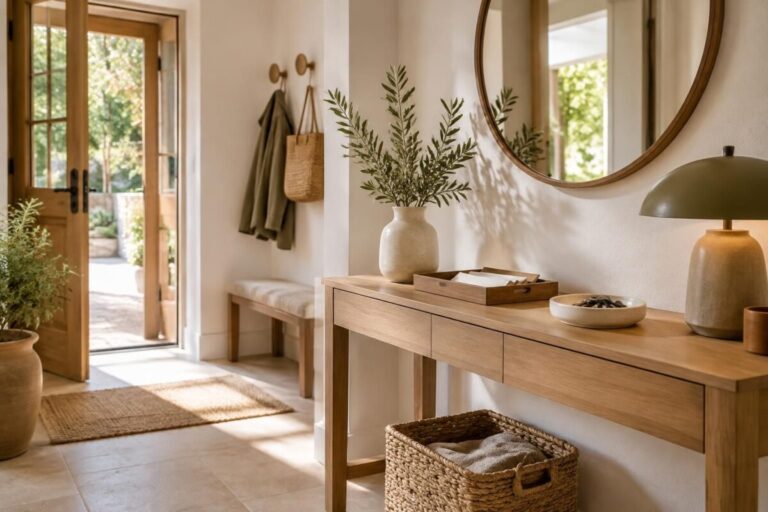
In the living room, pair a low closed cabinet with open shelves for decorative items. In an entryway, a narrow cupboard can hide shoes and coats, while a small shelf keeps keys and mail accessible. In the bedroom, wardrobes can hold less frequently used belongings, while baskets make everyday tidying easier.
In a shared or busy room, clearly defined zones help everyone put things back where they belong. In a home with children, easy-to-reach bins are often more practical than a large chest where everything gets mixed together. The right open-and-closed balance therefore depends as much on how the space is used as on the style you’re after.
One Tuesday evening, after a long day, a remote control lost in an empty cabinet turned a quick tidy-up into a lengthy search. Bins separated by category later made the task easier and stopped the cabinet from becoming just a place to hide clutter.
Mistakes that waste time
- Buying a piece of furniture before sorting the items you need to store.
- Choosing a cabinet that’s too deep and restricts movement.
- Letting open shelves fill up with unrelated small items.
- Putting everyday items in a hard-to-reach compartment.
- Filling compartments to the brim, leaving no room to put things back.
The best internal organization is the kind you can maintain over time. Start small: one drawer, one shelf or one living-room cabinet is enough to test what works for you before reorganizing the whole room.
Should you choose only closed cabinets?
No. Doors are useful for hiding less decorative items or protecting the contents, while open storage makes frequently used items easier to access. A mix of the two generally works better.
How can you stop a closed cabinet from becoming a catch-all?
Sort things first, then assign a category to each bin or compartment. Keep everyday items accessible and leave a little room to avoid cramming everything in.
Are open shelves suitable for small spaces?
Yes, as long as they aren’t overloaded and are well organized. They free up floor space and keep some items visible, but too many accessories can quickly make the room feel cluttered.
Where should you start to improve your decorative storage?
Start by removing unnecessary items from one specific area. Then sort what remains according to how often you use it before buying furniture, baskets or dividers.
Thanks for your interest; Olivia
PS, I’d be delighted if you left me a comment at the end of the article